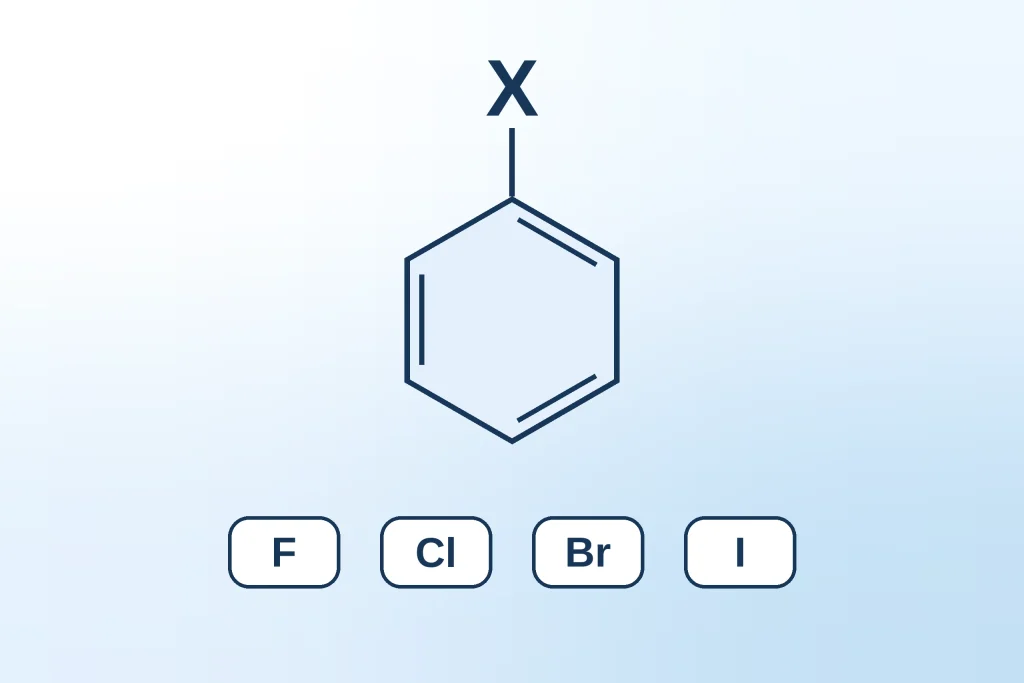
In this e-book, Arborpharmchem disciss about organic compound synthesis is necessary in modern chemistry. Key factors include comprehending methodologies. Synthesizing CAS No. 479633-63-1 4-Chloro-7-tosyl-7H-pyrrolo[2,3-d]pyrimidine requires creative methods. Optimizing CAS No. 84955-31-7 2-Amino-4-chloropyrrolo[2,3-d]pyrimidine production technology advances industrial, medicinal, and research uses. Knowing these factors helps scientists build sustainable organic compound synthesis techniques.

Common Methods
Basic methods include hydrolysis, oxidation, and reduction. Hydrolysis breaks chemical bonds with water to make reactants more functional. Oxidation forms alcohols and acids by removing electrons or adding oxygen. The creation of important compounds like amines is possible by reduction. These processes produce many organic molecules.
CAS No. 122665-97-8 4,4-Difluorocyclohexanecarboxylic acid is synthesized using optimal hydrolysis for exact results. CAS No. 7149-10-2 Vanillylamine hydrochloride is manufactured efficiently using reduction processes to obtain high purity. Both cases emphasize the need of choosing molecularly specialized procedures.
Catalysts in Organic Compound Synthesis
By speeding reaction rates without being consumed, catalysts improve organic compound synthesis. Alternative routes with lower activation energy improve efficiency and selectivity. In the synthesis of CAS No. 1500-85-2 4-Amino-7H-pyrrolo[2,3-d]pyrimidine, catalysts speed up amination and maintain product purity. To maximize yield and minimize byproducts, CAS No. 479633-63-1 4-Chloro-7-tosyl-7H-pyrrolo[2,3-d]pyrimidine uses a catalyzed coupling reaction.
These examples show how catalysts simplify organic processes. Harmonizing molecular connections optimizes energy use and enhances reaction stability. Thus, industrial and pharmaceutical procedures save time and resources. Answering “How do catalysts influence organic compound synthesis?” proves their impact. They enable precise synthesis and sustainable processes. Thus, catalysts underpin new and scalable organic chemistry solutions.
Complex Challenges
Scalable reactions, purity, and cost efficiency are difficult to achieve when synthesizing complex chemical molecules. To scale reactions from lab to industrial production without sacrificing yield or quality, substantial optimization is needed. Pharmaceutical purity needs careful reaction condition control to minimize contaminants.
Producing CAS No. 84955-31-7 2-Amino-4-chloropyrrolo[2,3-d]pyrimidine requires selective processes and careful monitoring to avoid byproducts. Synthesizing CAS No. 7355-55-7 2-Amino-4-hydroxypyrrolo[2,3-d]pyrimidine requires careful intermediate handling to attain the required molecular structure. Both scenarios demonstrate the difficulty of balancing reaction rates with processing costs. Answering “What are the challenges in synthesizing complex organic compounds?” shows how new approaches and strict quality controls can overcome these obstacles. Thus, these initiatives promote industrial and medicinal organic compound synthesis.
Using Green Chemistry
Sustainable organic compound synthesis uses green chemistry to reduce waste and environmental effect. Greener production uses renewable feedstocks and energy-efficient procedures. Solvent recovery systems and recyclable catalysts reduce chemical waste and resource use.
CAS No. 22276-95-5 5-Bromo-4-chloro-7H-pyrrolo[2,3-d]pyrimidine can be synthesized sustainably. Green solvents and enzymatic catalysts reduce harmful byproducts. Furthermore, energy saving measures reduce production-related carbon emissions. This method answers the question, “How is green chemistry applied in organic compound synthesis?” by showing how eco-friendly design modifies existing procedures. These innovations fulfill tougher regulations and scale ecologically friendly production. Thus, green chemistry is necessary to current organic compound synthesis.
Temperature Effect
By affecting reaction speeds, product stability, and selectivity, temperature has a significant impact on organic compound synthesis. Precise temperature control optimizes reactions and reduces byproducts. To maximize iodination yields, CAS No. 123148-78-7 4-Chloro-5-iodo-7H-pyrrol[2,3-d]pyrimidine must be synthesized at an ideal temperature. Lower temperature differences can impede or prevent conversion.
To produce CAS No. 71149-52-5 4-Chloro-2-methyl-1H-pyrrolo[2,3-d]pyrimidine, optimize temperatures for optimum methylation and to prevent heat degradation of sensitive intermediates. Well-regulated heating or cooling systems match reaction kinetics to intended results. These examples answer “What role does temperature play in organic compound synthesis?” by emphasizing its importance in reaction efficiency and product integrity. Thus, temperature regulation is necessary to improving industrial and medicinal organic synthesis methods.
Uses
The advances medications, industrial processes, and materials. Chemists create new medications, catalysts, and materials using unique molecules. CAS No. 517918-95-5 1H-Pyrrolo[2,3-b]pyridine-5-carbonitrile is a important pharmacological intermediary for developing new infectious disease medicines. It also helps create oncology targeted therapy molecules.
CAS No. 168267-41-2 3,4-Difluorophenylboronicacid is important to high-performance polymers and electronics. Using its special features, it can make liquid crystal displays and semiconductors. Such uses improve lives and progress biochemistry and chemical engineering. Thus, advances science and industry by using specialized chemicals to solve global problems.

Solutions From Arborpharm
For unique organic compound synthesis demands, custom molecule synthesis has evolved. Pharmaceutical research requires high-purity substances like CAS No. 2893-33-6 2,6-Pyridinedicarbonitrile. CAS No. 1072-84-0 1H-Imidazole-4-carbaldehyde is important to manufacturing active medicinal components and industrial fine chemicals. These services address different project requirements with precise specifications.
Our company use revolutionary green chemistry methods to obtain sustainable and cost-effective results. Recycling solvents and energy-efficient processes reduce chemical waste and operational costs. Stringent quality control ensures pure, reliable end-products that meet global regulatory standards. These methodologies meet modern industry needs and set sustainable organic compound synthesis standards by combining eco-friendly procedures with cutting-edge technologies. These efforts redefine chemical sector efficiency.