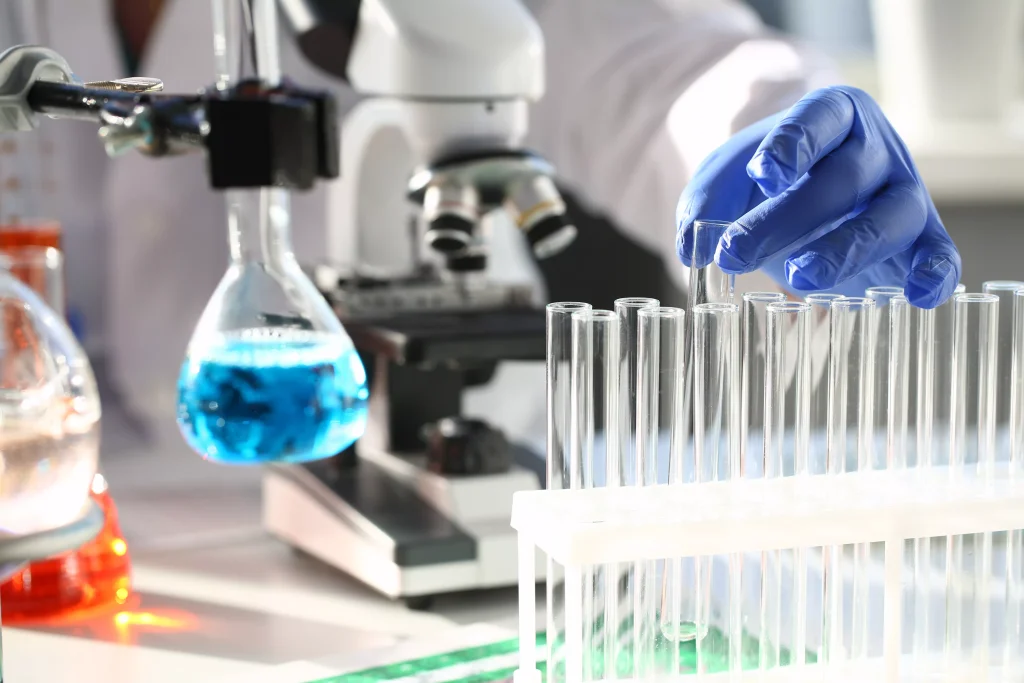
Companies utilize commercial scale chemical manufacturing to produce massive volumes of industrial substances. Engineers design these advanced systems to meet global supply demands. Facilities output thousands of tons of materials every single day. Furthermore, technicians control precise reactions to achieve high purity levels. Plants supply important ingredients to pharmaceutical markets. Additionally, factories produce necessary agricultural fertilizers. Industrial sites manufacture heavy solvents. Consumers rely on these daily products constantly. Different industries depend on this precise process. The global market demands commercial scale chemical manufacturing daily. Suppliers ship raw materials to these massive plants. Chemists design exact chemical formulas in laboratories. Engineers scale these chemical formulas up eventually. Production runs continuously day and night. The final output supports modern society completely. We will detail the exact definitions below. We will explore strict compliance standards next. Experts evaluate various equipment types. Teams overcome specific scale-up challenges. At last, managers implement modern efficiency strategies.
What is commercial scale chemical manufacturing?
Engineers define commercial scale chemical manufacturing as the continuous mass production of chemical compounds. Facilities produce huge quantities of product per batch. The general scope includes important pharmaceuticals. The entire industry covers agricultural chemicals. Plants manufacture harsh industrial solvents daily. Companies transition from pilot programs to full production lines. Pilot scale produces small batches. Conversely, commercial scale delivers massive market volumes. Pilot facilities test new reactions safely. Full-size plants maximize overall material yield. Large facilities require massive physical infrastructure. Pilot labs utilize small glass reactors. Large plants operate massive steel tanks. Technicians observe chemical reactions closely. Operators manage complex global supply chains. Furthermore, directors approve huge financial budgets for these massive sites. Investors fund these lucrative massive projects. Modern society requires commercial scale chemical manufacturing to survive. Small laboratories cannot meet huge global demands. Consequently, corporations build giant processing facilities. These massive sites employ hundreds of hard workers. Engineers monitor the control systems around the clock. First thing to remember, scale changes everything entirely. A small beaker behaves differently than a giant tank. Heat dissipates slowly in massive fluid volumes. Therefore, precise engineering prevents dangerous thermal runaway. Companies invest millions into these robust automated systems.

How to Ensure Compliance in commercial scale chemical manufacturing
Plant managers follow strict compliance rules daily. They adopt cGMP guidelines to guarantee product safety. These current Good Manufacturing Practices dictate rigorous quality control steps. Auditors inspect chemical plants regularly. Furthermore, companies obtain specific ISO certifications. ISO 9001 guarantees strict quality management. ISO 14001 dictates rigorous environmental standards. Facilities protect all workers with rigorous safety protocols. Engineers install specific explosion proof monitors. Plants implement strict waste disposal systems. These advanced systems protect the local environment entirely. Factories prevent toxic chemical spills. Concurrently, managers train operators on complex safety procedures. Supervisors document every training session clearly. Regulators monitor commercial scale chemical manufacturing strictly. Agencies mandate specific air quality standards. Inspectors check water discharge pipes monthly. Safe commercial scale chemical manufacturing protects local communities. Also, facilities install advanced air scrubbers. These large machines clean exhaust gases thoroughly. Managers maintain detailed digital records of every single batch. Software tracks every chemical ingredient completely. In case of an emergency recall, teams locate the defective product quickly. Consumers trust these reliable safety systems completely. Teams prioritize human safety above all. Workers wear personal protective equipment constantly. Loud alarms alert staff during facility emergencies.
What Equipment Operates in Chemical Facilities?
Facilities utilize specific heavy hardware for mass production. Operators manage different types of large vessels. Reactors range from 50L to 5000L capacities. Steel vessels withstand extremely high pressure. Glass lined tanks resist highly corrosive acids. Additionally, plants integrate precision weighing systems. These advanced scales measure raw materials accurately. Computers log the exact weight data. Automation controls system temperature perfectly. Software regulates specific mechanical valve positions. Pumps transfer dangerous liquids between massive tanks. Sensors detect tiny internal pressure changes instantly. Technicians monitor bright screens inside quiet control rooms. Factories rely on heavy duty mechanical mixers. These fast agitators blend thick liquids quickly. Furthermore, heat exchangers cool hot fluids rapidly. Chillers maintain low liquid temperatures reliably. Boilers supply hot steam to the large reactors. Compressors move important heavy gases through steel pipes. Operators calibrate this sensitive equipment weekly. Heavy equipment drives commercial scale chemical manufacturing forward. Mechanics maintain these giant industrial machines weekly. Engineers inspect the steel pipes for tiny liquid leaks. Technicians replace worn metal valves promptly. Moreover, facilities store finished liquid products in giant silos. Trucks transport these finished goods across the massive country. Trains carry hazardous volatile liquids safely.
|
Vessel Type |
Capacity Range |
Material |
Primary Application |
Automation Level |
|
Small Reactor |
50L to 500L |
Glass lined |
Corrosive acid processing |
High |
|
Medium Tank |
500L to 2000L |
Stainless Steel |
Solvent mixing |
Very High |
|
Large Vessel |
2000L to 5000L |
Carbon Alloy |
Bulk material synthesis |
Fully Automated |
|
Storage Silo |
Over 5000L |
Aluminum |
Dry powder storage |
Moderate |
Challenges in Scaling Up Chemical Production
Chemists face multiple complex obstacles during plant expansion. Process optimization requires careful fluid temperature control. Heat transfer dynamics change drastically at larger physical sizes. Small glass flasks cool extremely quickly. Massive metal tanks retain heat much longer. Therefore, engineers redesign complex internal cooling jackets. Validation presents another major operational hurdle. Regulators demand strict mathematical proof of consistency. Technicians must validate every single equipment piece thoroughly. Teams implement continuous digital monitoring systems to solve these complex issues. Sensors track internal chemical reactions instantly. As a result, operators maintain absolute pure product quality. Software records every single batch parameter automatically. Scientists analyze this vast data daily. Scaling up to commercial scale chemical manufacturing presents massive scientific challenges. Scientists test dangerous reactions multiple times first. Furthermore, operators document specific rapid temperature changes. Engineers calculate complex fluid dynamics carefully. Given these points, teams avoid costly operational mistakes. Production requires exact strict chemical ratios always. Even small tiny errors ruin massive costly batches completely. Therefore, operators monitor bright screens constantly. Quality teams pull tiny product samples hourly. Lab technicians test these physical samples immediately. Thus, facilities catch small production errors early.
How to Optimize Efficiency in Industrial Plants
Plant directors constantly seek better daily production efficiency. They execute regular detailed process safety assessments. These reviews identify potential hazard risks early. Teams remove operational bottlenecks from the busy production line. Facilities integrate advanced computer network technologies. Laboratories deploy LIMS to track physical chemical samples. Laboratory Information Management Systems organize complex test results. LIMS eliminates manual data entry errors entirely. Furthermore, maintenance crews use RFID calibration tools. Technicians scan physical RFID tags on digital electronic sensors. The system instantly verifies exact mechanical calibration dates. Consequently, plants reduce costly unplanned mechanical downtime. Automation speeds up the final packaging process. Robots fill heavy plastic drums accurately. Conveyor belts move finished packaged products quickly. Forklifts load heavy wooden pallets onto large delivery trucks. Logistics software plans optimal fast delivery routes. Managers track external shipments in real time. Efficiency in commercial scale chemical manufacturing saves money. Plant managers reduce daily energy consumption strategically. Facilities capture hot waste heat to warm other cold pipes. This process lowers high utility bills significantly. Likewise, smart predictive software predicts mechanical equipment failures accurately. Mechanics fix broken parts before they break completely. For this reason, plants avoid costly unplanned downtime. Furthermore, companies train busy staff on new digital technologies frequently. Workers learn advanced mechanical troubleshooting techniques. Overall, smart operations dominate the highly competitive market.
FAQs
What constitutes large chemical production?
Companies manufacture raw chemicals in massive industrial quantities for global use. They follow strict rigorous compliance rules to meet high quality standards.
What do cGMP guidelines dictate?
Current Good Manufacturing Practices ensure consistent high product quality. Plants produce safe consumer items according to strict government regulations.
What equipment supports massive chemical output?
Facilities operate multi purpose metal vessels to mix raw ingredients. Advanced automation tools and precise weighing systems do important tasks every day.
How do plants maintain worker safety?
Managers enforce strict detailed safety protocols daily. Teams conduct detailed process safety assessments and operate explosion proof mechanical equipment.
What obstacles complicate production scaling?
Engineers struggle to maintain strict pure product quality. Chemists work extremely hard to optimize complex unstable chemical processes.