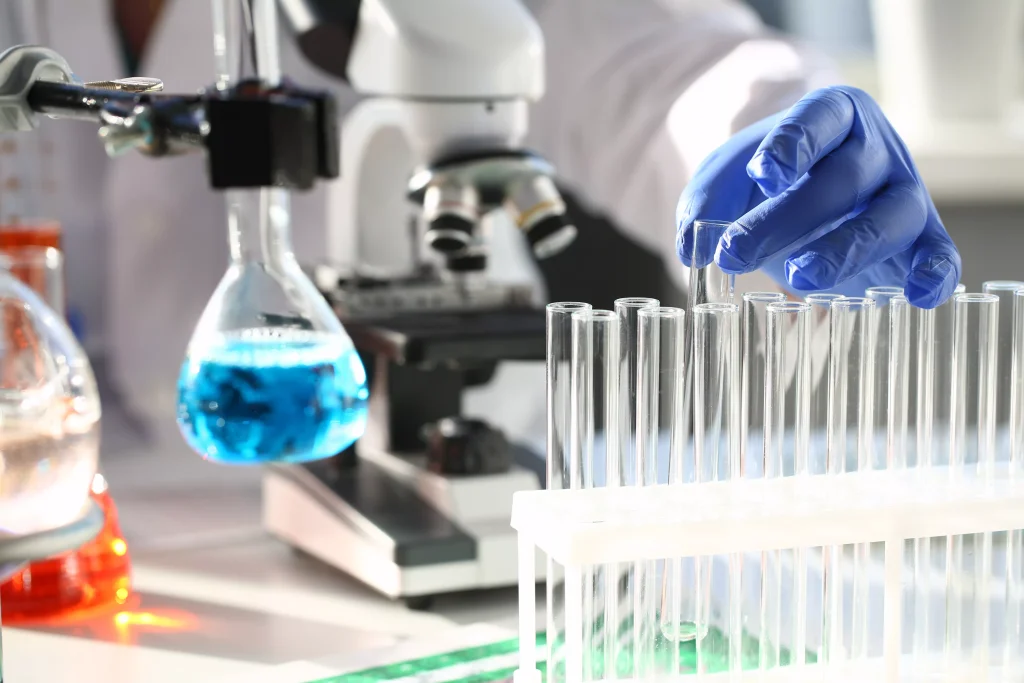
Active pharmaceutical ingredients function as the necessary components in all medications. Patients rely on these therapeutic substances to treat illnesses and manage chronic conditions. The mass production of APIs ensures that patients worldwide receive their important medications without delay. Manufacturers synthesize these chemical compounds through strict and complex procedures. The global healthcare system demands a constant supply of safe and effective drugs. Consequently, pharmaceutical companies scale their operations to meet these massive global demands. You will discover the necessary steps, modern technologies, and strict regulations involved in this important industry.
What is API Manufacturing?
Active pharmaceutical ingredients represent the primary therapeutic elements inside any pill, capsule, or injection. The API manufacturing process involves multiple intricate stages. Companies start with basic chemical raw materials. Technicians combine these raw materials inside large industrial reactors. The chemical synthesis creates the desired active compound. After that, workers purify the substance to remove all unwanted byproducts. Isolation techniques separate the pure drug substance from the remaining solvents.
Pharmaceutical companies produce several different types of active compounds. Small molecules represent the most common type of drug. Chemists synthesize small molecules using traditional organic chemistry methods. Peptides form a different category of therapeutic agents. Scientists link amino acids together to build these specific peptide chains. Biologics represent the most complex category of medications. Technicians cultivate living cells to produce these complex biological molecules.
Generally, manufacturers must control every single parameter during these reactions. Temperature fluctuations ruin the entire batch. Pressure changes destroy the delicate chemical bonds. Therefore, factory operators monitor the equipment constantly. You can see how precision dictates success in this industry.

Mass production of APIs
The mass production of APIs presents several significant hurdles for pharmaceutical companies. Companies must maintain flawless quality across massive quantities of materials. A single impurity ruins an entire production run. Additionally, safety protocols demand immense financial investments. Factory workers handle highly toxic and explosive chemicals daily. Facilities must install advanced ventilation and containment systems.
Financial management creates another major obstacle. Companies spend millions of dollars on raw materials and specialized equipment. Operational costs escalate quickly during large-scale synthesis. Furthermore, global supply chain disruptions delay raw material deliveries. Manufacturers struggle to maintain efficiency under these unpredictable conditions.
Environmental sustainability introduces severe complications for factory operators. Traditional chemical synthesis generates massive volumes of toxic waste. Factories consume enormous amounts of electricity and water. Local governments enforce strict environmental protection laws. Consequently, companies must treat all wastewater before discharging it into the environment. They invest heavily in waste management infrastructure. Sustainable API production requires new chemical pathways. Scientists develop green chemistry methods to reduce toxic byproducts.
The mass production of APIs Technologies
Modern innovations completely transform how factories operate today. Industry 4.0 technologies introduce artificial intelligence and the Internet of Things to the factory floor. Smart sensors collect real-time data from every machine. Artificial intelligence algorithms analyze this data instantly. The software predicts equipment failures before they happen. Factory managers optimize the production schedule using these intelligent insights.
Companies now transition away from traditional batch processing. Continuous manufacturing represents the new standard for the industry. In a continuous system, raw materials flow constantly into the reactors. The system outputs the final product without any interruptions. This method improves consistency and reduces overall costs.
Below is a detailed comparison table showing the specifications of Batch Processing versus Continuous Manufacturing:
|
Specification |
Batch Processing |
Continuous Manufacturing |
|
Production Flow |
Discrete steps with pauses |
Seamless and uninterrupted flow |
|
Equipment Size |
Massive industrial reactors |
Compact and modular equipment |
|
Production Time |
Several days or weeks |
Hours to days |
|
Quality Control |
Testing occurs after each step |
Real-time monitoring happens constantly |
|
Material Waste |
High waste generation |
Low waste generation |
|
Cost Efficiency |
High operational costs |
High initial cost but low operational cost |
|
Scalability |
Requires building larger facilities |
Requires running the machine longer |
Innovations like flow chemistry enhance safety and efficiency. Flow chemistry pumps reactants through small tubes instead of large vats. The chemicals react quickly and safely inside these narrow channels. Biocatalysis offers another powerful technological advancement. Scientists use natural enzymes to accelerate chemical reactions. These enzymes work at room temperature. Thus, biocatalysis saves massive amounts of energy and reduces environmental impact.
API Manufacturing Quality and Compliance
Patient safety depends entirely on strict quality controls. Regulatory agencies enforce strict rules worldwide. Companies must achieve cGMP compliance to sell their products legally. Current Good Manufacturing Practices dictate every aspect of the facility operations. The rules cover equipment maintenance, employee training, and raw material sourcing.
Factory workers follow detailed standard operating procedures daily. They document every single action in official logs. Real-time monitoring tools track the chemical reactions constantly. Companies adopt Quality by Design approaches to guarantee success. Engineers design the manufacturing process to prevent errors automatically. The system detects anomalies and adjusts parameters instantly.
Global standards protect patients from dangerous counterfeit drugs. Inspectors visit the manufacturing plants regularly. They review the production logs and test the final products. If a facility fails the inspection, the government shuts down the entire operation immediately. Accordingly, companies spend vast resources training their compliance teams. Quality assurance departments verify all test results independently.
FAQs
What are APIs in pharmaceuticals?
Active pharmaceutical ingredients are the necessary components in drugs responsible for their therapeutic effects. They provide the actual medical treatment.
What is the difference between batch and continuous manufacturing?
Batch manufacturing processes drugs in discrete steps with pauses. Continuous manufacturing integrates all steps into a seamless flow. This continuous flow improves efficiency and product consistency.
Why is cGMP important in API production?
cGMP compliance ensures that companies meet strict quality and safety standards. These practices reduce contamination risks and guarantee drug efficacy.
What are the environmental challenges in API manufacturing?
High energy consumption and massive chemical waste represent major environmental concerns. Companies address these issues through green chemistry and sustainable practices.
How does AI improve API manufacturing?
AI optimizes factory processes and predicts maintenance needs accurately. The technology enhances quality control and leads to significant cost savings.