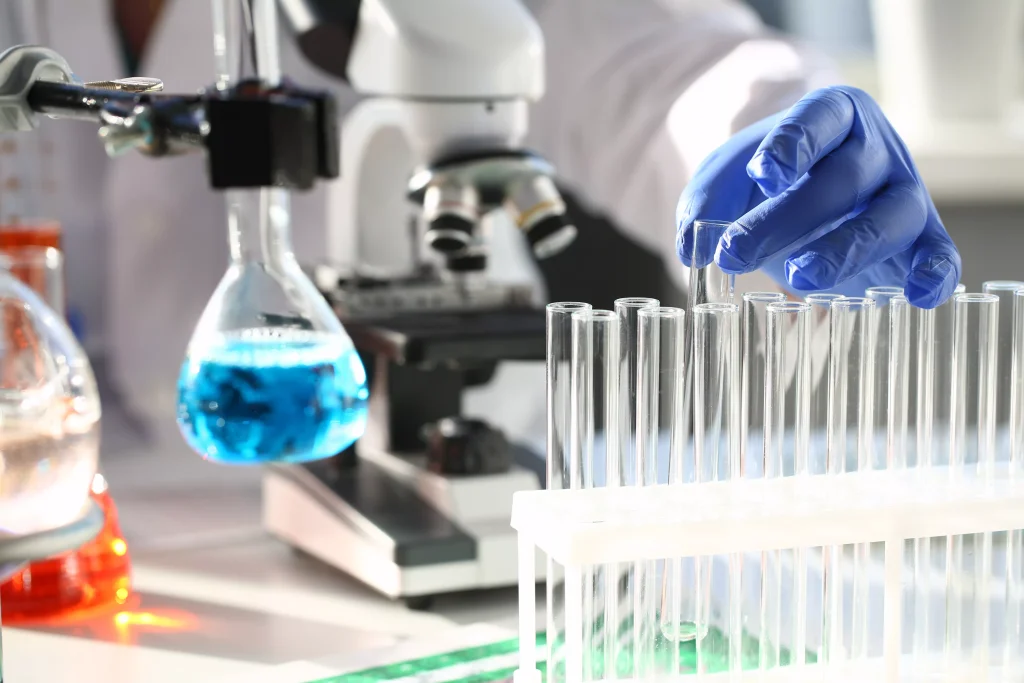
Pharmaceutical ingredients underpin drug development and innovation. Leading chemical and pharmaceutical firms’ manufacturing techniques and pharmaceutical chemicals list are necessary. These compounds are necessary to drug production, but our environmental impact and safety are issues. These five safe handling and storage tips are important for pharmaceutical chemicals suppliers and industry personnel. Arborpharmchem aim to ensure efficacy and safety by answering usage, production, and safety inquiries.

Pharma Chemical Knowledge
Pharma chemicals are important to the pharmaceutical chemical industry, helping with drug discovery and production. To produce accurate and effective drugs, chemical and pharmaceutical industries carefully construct these compounds. As active components or excipients, they help formulate drugs by improving stability and efficacy. Pharma chemicals help make safe and effective drugs.
Beyond drug formulation, pharma chemicals are used. They are necessary for making many drugs, treating many diseases, and protecting patients. A comprehensive pharmaceutical chemicals list helps companies organize and comply with regulatory requirements for these key components. This list is necessary for using the proper compounds in the optimal formulations, reducing risks and enhancing therapeutic outcomes. Understanding these features can greatly improve the handling and application of pharma chemicals.
Manufacturing
Pharma chemicals are made with precision. Complex chemical reactions manufacture these substances, requiring advanced technology and skilled workers. Chemical and pharmaceutical businesses lead this process by using cutting-edge labs and facilities to make high-quality chemicals. These firms oversee synthesis, purification, and formulation to ensure compounds satisfy pharmaceutical requirements.
Quality control is necessary in the pharmaceutical chemical industry to assure product safety and efficacy. Each stage of the manufacturing process is scrutinized to ensure consistency and eliminate contaminants. Companies use sophisticated quality assurance methods for routine testing and validation. The industry follows these criteria to make pharma chemicals carefully, reducing dangers and improving medicinal potential.
Safe Handling and Storage Tips
Pharma chemicals must be labeled and documented to ensure safe handling. For inventory monitoring and chemical identification, a thorough pharmaceutical chemicals list is necessary. This reduces errors and lets handlers quickly access important material attributes and hazards.
Using PPE is another important safety step. Gloves, goggles, and lab coats protect workers from chemical exposure. Maintain proper storage conditions and temperature control to preserve the stability and effectiveness of pharma chemicals. Temperature variations can damage chemicals, thus climate control is necessary.
Complete handler training and education are important. Companies prevent accidents and provide a safe workplace by training staff about safe handling and chemical dangers. Maintain safety standards through regular inspections and strict compliance with safety requirements. These checks ensure adherence to safety rules, keeping staff safe.
Pharma Chemicals in Drug Formulation
Pharmaceutical chemicals are the active compounds that determine a drug’s therapeutic effects. The development of novel and existing medications relies on our molecular interactions to elicit biological reactions. Choosing and combining pharma chemicals allows researchers and developers to customize medications for specific ailments, improving therapeutic outcomes. This precision in formulation ensures that treatments are effective and safe for patients.
Pharma chemicals have a significant impact on therapeutic efficacy and safety. In addition to active components, excipients improve medicine stability and absorption. The correct balance of these molecules makes medications safe and effective, reducing side effects and enhancing patient compliance. To maintain these high standards, quality control in the production and formulation of pharma chemicals is important.
Impact on Environment
Pharma chemicals’ propensity to pollute water and soil raises serious environmental concerns. Chemicals that are incorrectly disposed of or managed can pollute ecosystems and harm aquatic life and soil. Manufacturing wastewater can pollute natural waterways if left untreated. This contamination harms biodiversity and human health through the water supply.
There are numerous methods that can be used to reduce the environmental impact of pharma chemicals. Advanced wastewater treatment is necessary for preventing toxic leftovers from entering ecosystems. Green chemistry, is growing in the pharmaceutical chemical industry. Improving chemical process efficiency to reduce waste and using more biodegradable materials can also lessen environmental effect. These techniques help safeguard the environment when making and disposing of pharma chemicals.

Safety Rules and Compliance
Pharma chemicals are subject to severe safety requirements that require numerous layers of compliance to assure safe use. These standards govern labeling, storage, and handler protection with PPE. OSHA standards and local and international regulations, including those from the European Medicines Agency (EMA) and the Food and Drug Administration (FDA), outline pharmaceutical safety protocols. Following these requirements reduces chemical handling dangers.
Pharmaceutical chemical suppliers are important to safety compliance. They provide clients with extensive paperwork, safety data sheets, and handling instructions. To ensure chemical quality and safety, suppliers must follow worldwide standards including Good Manufacturing Practice (GMP). By communicating openly and offering proper training, suppliers help organizations navigate complex regulatory landscapes and ensure all processes meet the newest safety standards.
Related Posts:
Pharma Intermediates 7 Must-Know Tips for Quality Control
Pharmaceutical Chemicals List 4 Important Ingredients for Drug Safety