
Pharmaceutical intermediates connect raw materials to active pharmaceutical ingredients in modern medicine manufacture. These intermediates, including chemical intermediates, bulk intermediates, and fine intermediates, are needed to synthesize APIs utilized in life-saving drugs. These intermediates fuel innovation, from custom synthesis chemicals to medicinal chemistry compounds like Cas NO. 4 9660-57-3 and CAS No. 696-07-1. What are pharmaceutical intermediates and how are they classified? Their importance, differences from APIs, and worldwide healthcare difficulties and advancements are discussed in this article.
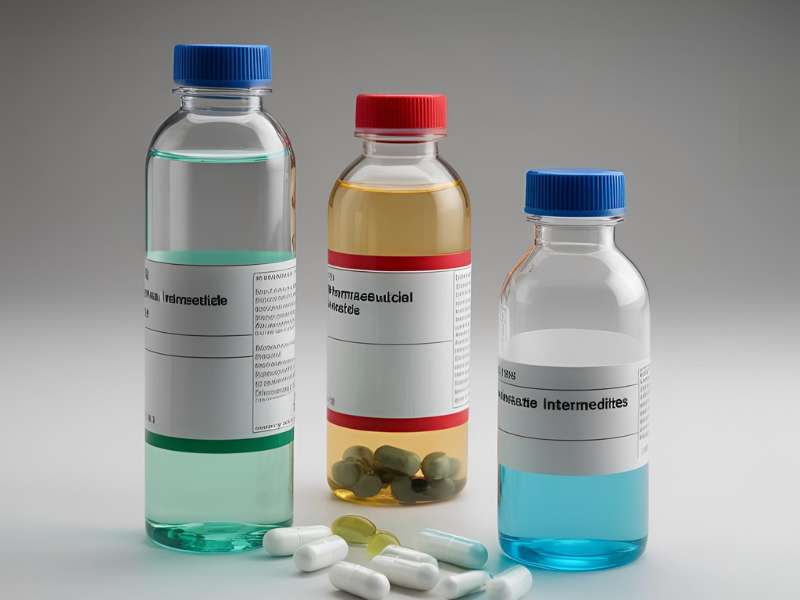
How Do They Affect Drug Synthesis?
Intermediates link raw materials to active pharmaceutical ingredients in pharmaceutical manufacture. These chemical intermediates conduct precise chemical processes to produce APIs. Pharmaceutical intermediates help change the drug development pipeline. Synthesis intermediates, generally created through custom synthesis, produce bulk drug intermediates that are refined into APIs. This process produces life-saving drugs efficiently and consistently.
The comprise medicinal chemistry compounds and fine chemical intermediates. Bulk drug intermediates, such as those formed from organic intermediates, are used to mass-produce generic medications. Pharmaceutical intermediates ensure substances pass through complex synthesis processes by connecting raw ingredients and APIs. They are important in modern medicine, where accuracy and innovation define drug discovery and production.
Classifying
Based on their involvement in the manufacture of Active Pharmaceutical Ingredients (APIs) and their chemical characteristics, pharmaceutical intermediates are categorized. Bulk drug intermediates are mass-produced and form the basis for API refining. However, fine chemical intermediates require precision production to maintain compatibility in complicated medication compositions. Custom synthesis chemicals are specialized intermediates for pharmaceutical manufacture. Each category serves a different purpose.
This classification is refined by distinguishing organic intermediates from synthetic alternatives. For biological compatibility, organic intermediates from natural sources are favored, whereas synthetic alternatives stress precision and scalability. Cas NO. 49660-57-3, utilized to make antivirals, shows the usefulness of designed intermediates. CAS No. 36520-39-5 is necessary for producing cardiovascular therapy molecules. Overall, pharmaceutical intermediate classification highlights how manufacturers use natural and synthetic paths to improve efficiency, innovation, and quality worldwide. These differences show how intermediates balance cost-effectiveness and therapeutic accuracy.
Pharmaceutical Intermediates vs. APIs
Active pharmaceutical ingredients (APIs) and pharmaceutical intermediates have different but related roles in pharmaceutical manufacture. Drug synthesis begins with pharmaceutical intermediates. In contrast, APIs are biologically active molecules that directly affect pharmacological therapy. The transition from intermediates to APIs ensures drug production efficiency and precision. Like api intermediates, drug intermediates help establish complex manufacturing pipelines and develop high-quality medications.
Pharmaceutical intermediates and APIs are interdependent in medication formulation. Without pharmaceutical intermediates, API production is inefficient and inconsistent. Various chemical intermediates. Api intermediates are important for scalability and affordability, especially in generic medication manufacture. This keeps life-saving drugs available and meets quality standards. Pharmaceutical intermediates optimize production and demonstrate their important role in healthcare innovation by facilitating the conversion of raw materials into effective therapies.
Matter in Generic Drug Production
Cost-effective and scalable generic medication manufacture requires pharmaceutical intermediates. These intermediates provide pre-synthesized chemical building blocks for active pharmaceutical ingredients. Drug intermediates, like bulk drug intermediates, reduce raw material processing. This efficiency lets firms increase production without sacrificing quality. Chemical intermediates like CAS No. 137553- 4 5 are used to synthesize antifungal and anti-inflammatory generic medications.
Pharmaceutical intermediates are important in generic medicine production because they retain accessibility without compromising efficacy. High-quality generic drugs that meet strict regulatory standards require these intermediates. CAS No. 99365-40-9, an intermediate, is necessary to the production of antiviral medications that treat many diseases. Additionally, custom synthesis chemicals for specific formulations provide unequaled pharmaceutical results precision. Pharmaceutical intermediates support APIs.
Challenges Manufacturing
They are difficult to make due to strict regulations. Regulatory organizations require strict quality standards and extensive evidence for safety and efficacy. The need to satisfy these criteria while preserving operational efficiency requires manufacturers to invest in modern technologies and skilled people. Supply chain difficulties can delay synthesis and production by disrupting raw material sources like chemical intermediates. The rising global demand for drug intermediates makes scalability challenging due to the challenge of maintaining quality across large-scale production.
Manufacturing innovations may solve these issues. Automated and continuous-flow production systems can boost efficiency and reduce mistake. These technologies improve turnaround times and reduce waste during the synthesis of intermediates like synthesis intermediates and bulk drug intermediates. Real-time monitoring systems and advanced analytical tools let producers maintain batch-to-batch quality standards despite increased demand. Sustainable approaches like green chemistry handle environmental and regulatory issues. These advances strengthen supply chains and position pharmaceutical intermediates to satisfy increased demand for high-quality, cost-effective drugs.
Custom Synthesis Chemicals and Medicinal Chemistry Compound Advances
The require custom synthesis chemicals to meet the industry’s customized medication manufacturing needs. These services create medicinal chemistry compounds that meet therapeutic needs. Innovations in this field have led to advanced intermediates as Cas NO. 140695-84-7. Cas NO. 5413-85-4 promotes pyrimidine-based molecules. Custom synthesis services help create high-performing chemical intermediates for modern medicine by giving flexibility and precision.
Innovation in medicinal chemistry compounds accelerates medication discovery and production beyond accuracy. High-throughput synthesis and computational chemistry let researchers design and refine pharmaceutical intermediates faster. Synthesizing fine chemical intermediates better improves medication formulation component quality and scalability. Additionally, bespoke synthesis suppliers and pharmaceutical companies collaborate to create unique intermediates that meet strict regulatory and performance standards. These advances show how custom synthesis chemicals are changing the pharmaceutical industry by improving drug development speed, cost, and efficacy.


