In an era where chemical precision drives pharmaceutical breakthroughs and advanced material innovations, sourcing from qualified phenylboronic acid manufacturers is no longer a procurement preference. It is a strategic imperative. This guide provides procurement managers with a comprehensive overview of phenylboronic acid, its critical industrial applications, and the key criteria for selecting a reliable, compliant supply partner.
What is Phenylboronic Acid (CAS 98-80-6)?
Phenylboronic acid — also known as benzeneboronic acid or dihydroxyphenylborane — is a versatile organoboron compound widely utilized across pharmaceutical synthesis, material science, and biomedical research. Registered under CAS 98-80-6, it carries the molecular formula C₆H₇BO₂ and a molecular weight of 121.93 g/mol.
In its standard form, phenylboronic acid presents as a white to off-white crystalline solid, characterized by notable chemical stability under ambient storage conditions. Its mild Lewis acidity, a fundamental property of boronic acid derivatives, enables selective and reversible covalent interactions — a characteristic that underpins its extensive utility in both chemical synthesis and biological systems. For procurement professionals, understanding this chemical profile is essential for evaluating purity specifications, compatibility requirements, and downstream application performance.

Critical Applications in Modern Chemistry
Suzuki-Miyaura Cross-Coupling Reactions
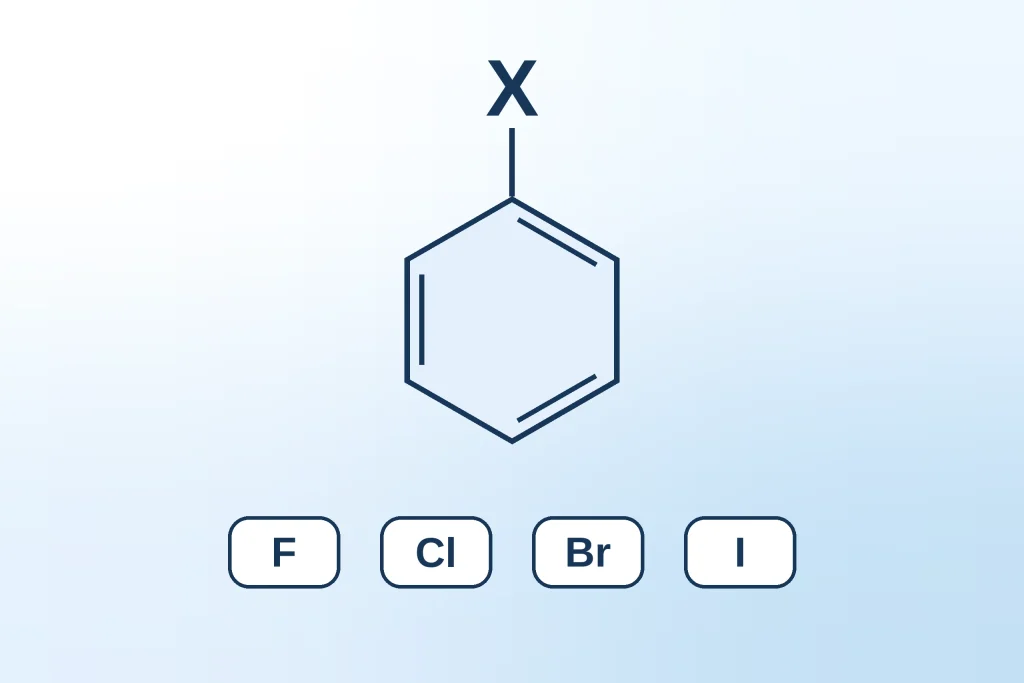
Phenylboronic acid serves as a foundational reagent in the Suzuki-Miyaura coupling reaction — one of the most powerful and widely practiced methodologies in modern organic chemistry. This palladium-catalyzed cross-coupling reaction facilitates the efficient formation of carbon-carbon bonds between aryl halides and boronic acids, enabling the construction of complex molecular architectures central to active pharmaceutical ingredient (API) synthesis. Its broad functional group tolerance, low toxicity profile relative to alternative organometallic reagents, and compatibility with aqueous reaction media have cemented its role as the reagent of choice across both research and industrial-scale production environments.
Pharmaceutical Intermediates
Within the pharmaceutical sector, phenylboronic acid functions as a critical pharmaceutical intermediate in the development of enzyme inhibitors, protease modulators, and targeted therapeutics. One of the most compelling emerging applications is its integration into glucose-responsive insulin delivery systems, where the reversible covalent bonding between boronic acid units and diol-containing molecules (such as glucose) is harnessed to create dynamic, concentration-sensitive drug release platforms. Procurement teams supplying regulated pharmaceutical manufacturers must prioritize suppliers with documented HPLC purity data of 98% or above and full traceability through the production chain.
Material Science: OLEDs, LCDs, and Sensors
Beyond pharmaceuticals, phenylboronic acid plays an increasingly significant role in material science. Manufacturers use its structural derivatives to build OLED and LCD screens. Triphenylamine boronic acids are particularly useful for this. Global demand for advanced displays is growing fast. Asia-Pacific manufacturing hubs are leading this push. This trend directly increases the need for high-purity boronic acid supplies. Beyond screens, these compounds work well in chemosensors. They detect specific chemicals by forming selective esters. This unique ability continues to attract major R&D funding.
Biomedical Research: BNCT and Saccharide Sensing
Phenylboronic acid plays a major role in biomedical research. It is a key part of Boron Neutron Capture Therapy (BNCT). BNCT is a new way to treat cancer. It uses boron-10 to capture neutrons. This delivers radiation directly to cancer cells. Additionally, phenylboronic acid binds strongly to sugars. This makes it vital for studying carbohydrates. Scientists use it to develop new biosensors and diabetes tests.
Choosing the Right Phenylboronic Acid Manufacturer
For pharmaceutical procurement managers, vendor selection extends well beyond price comparison. The following criteria should govern supplier qualification:
Quality Standards: The industry benchmark for research and API-grade applications is a minimum purity of ≥98% (by HPLC). Suppliers must provide a Certificate of Analysis (COA) for every batch. This document must show the material meets the required threshold. It should also include testing data for residual solvents, heavy metals, and moisture content if those apply.
Production Capacity: A credible manufacturer must demonstrate seamless scalability — from laboratory-scale quantities (grams) to full industrial-scale production (kilograms to multi-barrel volumes) — without compromising quality consistency. Supply chain disruption risk increases significantly when working with manufacturers lacking verified large-scale synthesis infrastructure.
Supply Chain Reliability: Global pharmaceutical operations depend on predictable lead times, flexible Incoterms, and robust international logistics capabilities. Evaluate prospective suppliers on their track record for on-time delivery, warehousing capacity, and ability to manage export documentation for regulated markets including the EU, US FDA-registered facilities, and Asia-Pacific jurisdictions.
Compliance and Documentation: Mandatory documentation includes a current Safety Data Sheet (SDS/MSDS), lot-specific Certificate of Analysis (COA), and applicable ISO certifications. For GMP-sensitive procurement, request audit rights and quality agreement frameworks as standard practice.
Your Trusted Partner for Boronic Acid Compounds: Arborpharmchem
Arborpharmchem is a trusted global manufacturer of pharmaceutical intermediates. We deliver precise technical results. We offer flexible supply options and focus entirely on our customers. Our catalog features a wide range of boronic acid derivatives and specialty organoboron compounds. We can supply materials for early research. We also fulfill large orders for commercial manufacturing.
Custom Synthesis Capabilities: Beyond standard phenylboronic acid, Arborpharmchem offers tailored production of specialized derivatives including 4-Carboxyphenylboronic acid, n-Butylboronic acid, and other functionalized boronate esters, supporting customers with unique structural or application-specific requirements.
Packaging Flexibility: Product is available in both solid and liquid formulations, with packaging configurations ranging from 10g research quantities to 25kg+ industrial bulk orders, ensuring alignment with diverse procurement volume requirements.
Technical Expertise: Backed by years of accumulated expertise in pharmaceutical intermediates and material chemicals, Arborpharmchem’s technical team provides proactive support in regulatory documentation, application guidance, and quality troubleshooting.
Frequently Asked Questions
Q: What is the shelf life of Phenylboronic acid? When stored in a cool, dry, well-ventilated location away from moisture and incompatible materials, phenylboronic acid typically maintains specification compliance for 24 months from the manufacturing date. Lot-specific expiry data is provided on each COA.
Q: Is Phenylboronic acid hazardous? Yes, phenylboronic acid carries GHS hazard classifications H302 (harmful if swallowed) and H315 (causes skin irritation). Standard laboratory PPE — including gloves, safety eyewear, and appropriate respiratory protection — is recommended when handling. Full handling and disposal protocols are detailed in the product SDS.
Q: Can Arborpharmchem provide bulk samples for industrial testing? Yes. Arborpharmchem supports industrial qualification processes by providing bulk samples tailored to customer testing requirements. Contact the sales team directly to discuss sample specifications, quantities, and associated documentation packages.