Pharmaceutical manufacturers continually seek efficient methods to produce non-steroidal anti-inflammatory drugs (NSAIDs). The sulindac synthesis process stands out as a critical chemical operation for producing this potent API. Sulindac (Clinoril) treats pain and inflammation effectively. Chemists design the synthesis to target specific biological activity while maintaining high purity. The process generally involves multi-step organic reactions starting from readily available raw materials. Manufacturers must understand the intricacies of this reaction pathway to ensure consistent product quality. We will explore the chemical principles, the step-by-step methodology, and the key intermediates involved in this complex procedure.
Definition: What is the sulindac synthesis reaction?
The synthesis of sulindac involves creating an indene derivative through a series of organic transformations. Chemists classify this as a condensation and cyclization sequence. The core structure requires precise manipulation of functional groups to achieve the final therapeutic compound. Specifically, the reaction builds the indene ring system and attaches a sulfoxide moiety. This sulfoxide group is crucial because the body metabolizes it into the active sulfide form. Therefore, controlling the oxidation state during the sulindac synthesis process determines the drug’s efficacy.
Core Intermediates: Introduction to CAS NO. 38194-50-2 and CAS NO. 32004-66-3
Successful synthesis relies on high-quality intermediates. Two specific chemical compounds play pivotal roles. CAS NO. 38194-50-2 typically refers to the indene intermediate formed before the final oxidation. CAS NO. 32004-66-3 often denotes the sulfide precursor or a closely related derivative in the pathway. Manufacturers monitor these intermediates rigorously. High purity at these stages prevents impurities in the final API. Controlling the stoichiometry during the formation of these compounds ensures a smoother downstream process.
Primary Raw Materials
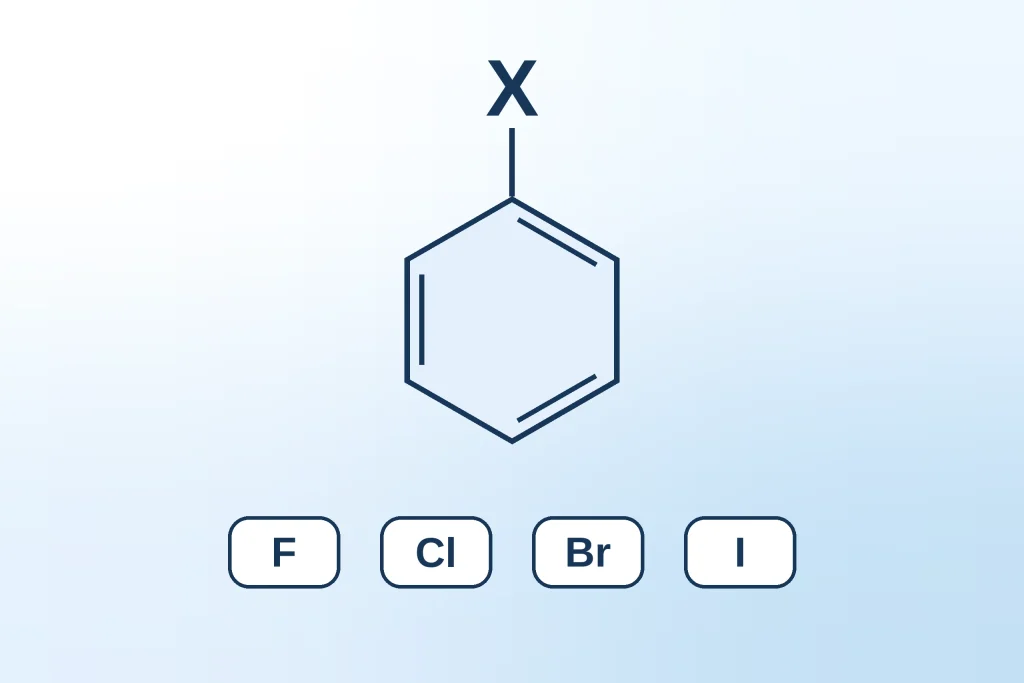
The synthesis begins with p-fluorobenzyl chloride (4-fluorobenzyl chloride) and diethyl methylmalonate. P-fluorobenzyl chloride provides the necessary aromatic framework containing the fluorine atom. Diethyl methylmalonate acts as the carbon source to build the side chain. These starting materials undergo condensation to form the initial scaffold. Sourcing high-grade raw materials minimizes side reactions. Consequently, the overall yield improves significantly when the starting purity is high.

Preferred Sulindac Synthetic Route and Pathway
Industrial Standard: Efficient Sulindac Production Process
The industrial standard prioritizes yield and cost-effectiveness. The most common route utilizes a Knoevenagel condensation followed by a Perkin-like cyclization. This sulindac synthesis process offers the best balance between reaction time and product quality. Engineers design reactors to handle the exothermic nature of these steps. Moreover, this route allows for easier solvent recovery. Large-scale facilities adopt this pathway because it minimizes hazardous waste generation compared to alternative methods.
Chemical Principles
The pathway relies on fundamental organic chemistry principles. Nucleophilic substitution initiates the sequence. The carbon anion from the malonate attacks the benzyl chloride. Subsequent steps involve hydrolysis to remove ester groups and decarboxylation to simplify the carbon chain. Cyclization then forms the five-membered ring characteristic of the indene structure. Finally, a condensation with p-methylthiobenzaldehyde attaches the second aromatic ring. Chemists must strictly control pH and temperature at each phase. Variations in these parameters can lead to unwanted isomers.
Reaction Mechanisms
Understanding the mechanism helps in troubleshooting. The formation of the carbon-carbon bond drives the initial alkylation. Base catalysis promotes the removal of acidic protons. During the cyclization phase, an intramolecular reaction closes the ring. Water elimination stabilizes the new structure. The final step usually involves the oxidation of a sulfide linkage to a sulfoxide. This specific oxidation requires a selective oxidant to avoid over-oxidation to a sulfone. Precise control here defines the success of the sulindac synthesis process.
Step-by-Step Sulindac Preparation Method
Step 1: Condensation Reaction
The process starts with alkylating diethyl methylmalonate with p-fluorobenzyl chloride. Chemists use a strong base like sodium ethoxide to facilitate this reaction. The base generates a carbanion on the malonate. This nucleophile attacks the benzyl chloride. The reaction produces diethyl 2-(4-fluorobenzyl)-2-methylmalonate. Cooling the reaction mixture controls the rate and prevents runaway heating. This step sets the carbon skeleton for the drug.
Step 2: Hydrolysis and Decarboxylation
The next phase converts the diester into a monocarboxylic acid. Manufacturers treat the intermediate with a strong aqueous base like sodium hydroxide. This hydrolysis breaks the ester bonds. Acidification follows immediately. Heating the resulting dicarboxylic acid causes decarboxylation. Carbon dioxide gas evolves during this step. The product is 2-methyl-3-(4-fluorophenyl)propanoic acid. This intermediate possesses the correct carbon chain length for ring closure.
Step 3: Cyclization and Aldol Condensation
Chemists then cyclize the propanoic acid derivative to form the indanone ring. Polyphosphoric acid often serves as the catalyst and solvent. This dehydrating agent forces the intramolecular ring closure. Following this, the indanone undergoes a Reformatsky-type or Aldol condensation reaction with cyanoacetic acid or similar reagents to introduce the acetic acid side chain. Simultaneously or subsequently, p-methylthiobenzaldehyde reacts with the active methylene group on the indene ring. This creates the benzylidene-indene scaffold. This sulindac preparation method generates the immediate precursor to the drug.
Step 4: Thioether Oxidation
The final step in the sulindac synthesis steps creates the sulfoxide group. The precursor contains a methylthio ether linkage. Chemists use oxidizing agents like sodium periodate or hydrogen peroxide. The reaction conditions must be mild. Strong oxidants would produce the inactive sulfone. The goal is to add exactly one oxygen atom to the sulfur. This selective oxidation yields Sulindac. Filtration and recrystallization purify the final yellow crystalline powder.
Sulindac Intermediates Synthesis and Technical Specifications
Key Intermediate A: Synthesis and properties of CAS NO. 38194-50-2
This intermediate, often the Z-isomer of the sulfide precursor, requires careful handling. Its synthesis involves the condensation of the indene acetic acid derivative with the benzaldehyde. It appears as a yellow solid. Purity testing uses HPLC to ensure no unreacted aldehyde remains. Proper storage prevents degradation from light exposure.
Key Intermediate B: Synthesis and properties of CAS NO. 32004-66-3
This compound represents the 5-fluoro-2-methyl-3-indenylacetic acid core. Chemists synthesize it through the cyclization of the fluorophenyl propanoic acid. It is a stable solid at room temperature. Its melting point serves as a quick purity check. Controlling the water content during its isolation is vital for the subsequent condensation step.
Quality Control and Specifications
The following table details the essential parameters for high-purity sulindac intermediates synthesis.
|
Parameter |
CAS NO. 38194-50-2 (Sulfide Precursor) |
CAS NO. 32004-66-3 (Indene Acid) |
|
Appearance |
Yellow to Orange Crystalline Powder |
Off-white to Pale Yellow Solid |
|
Assay (HPLC) |
≥ 98.5% |
≥ 98.0% |
|
Melting Point |
185°C – 190°C |
162°C – 166°C |
|
Loss on Drying |
≤ 0.5% |
≤ 0.5% |
|
Residue on Ignition |
≤ 0.1% |
≤ 0.2% |
|
Heavy Metals |
≤ 20 ppm |
≤ 20 ppm |
|
Solubility |
Soluble in organic solvents (DCM, Methanol) |
Soluble in Ethanol, Acetone |
Sulindac Synthesis Optimization for Industrial Production
Yield Improvement
Manufacturers constantly refine the sulindac synthesis process to boost yields. Optimizing the stoichiometry of reagents reduces waste. For instance, using a slight excess of the cheaper reagent drives the reaction to completion. improved agitation in large reactors ensures uniform temperature distribution. This prevents hot spots that cause decomposition. Continuous flow chemistry is also gaining traction. It allows for better control over reaction times compared to batch processing.
Solvent Selection
Choosing the right solvent enhances safety and efficiency. Traditional methods often use benzene or toluene. However, green chemistry initiatives push for safer alternatives. Chemists now prefer solvents like ethanol or ethyl acetate where possible. These solvents pose fewer health risks to workers. Furthermore, they are easier to recover and recycle. Proper solvent selection also influences the crystal habit of the final product. This affects filtration rates and drying times.
Waste Management
Sustainable practices govern modern sulindac production. The process generates salts and organic by-products. Facilities treat aqueous waste streams to neutralize acids and bases. Solvent recovery units capture volatile organic compounds (VOCs). Recycling mother liquors from crystallization steps recovers dissolved product. This reduces the overall raw material consumption. Implementing these strategies aligns the chemical process with environmental regulations.
Frequently Asked Questions (FAQ)
How does the sulindac preparation method vary by manufacturer?
Different manufacturers may use distinct catalysts or solvent systems. Some might employ a different oxidizing agent in the final step to improve selectivity. However, the core chemical pathway generally remains the Knoevenagel/Perkin route.
What are the safety precautions for sulindac synthesis from 4-fluorobenzyl chloride?
Operators must wear full personal protective equipment (PPE). P-fluorobenzyl chloride is a lachrymator and skin irritant. Ventilation systems must function efficiently to remove fumes. Handling strong acids and bases requires chemically resistant gloves and eye protection.
Where can high-quality sulindac intermediates be sourced?
You should source intermediates from certified chemical suppliers who provide Certificates of Analysis (CoA). Verified suppliers ensure the materials meet the specific CAS NO. requirements and purity standards listed in the technical specifications.
Why is the oxidation step critical in the sulindac synthetic route?
The oxidation step converts the inactive sulfide into the active sulfoxide form. Over-oxidation creates the sulfone, which lacks the desired therapeutic effect. Precision in this step defines the drug’s potency.