
Anticancer drugs and intermediates bridge chemical innovation and therapeutic advances. From common molecules like 5-Bromo-2-oxindole and 4382-54-1 5-Methoxyindole-2-carboxylic acid to advanced precursors like 183208-36-8 5-Methoxy-7-azaindole, synthesis and pharmacological research is growing. These intermediates help create targeted treatments in preclinical and clinical trials while resolving production and efficacy issues. Arborpharmchem discover new medicinal chemistry and cancer medication development routes by analyzing their different roles.

What are Anticancer Agents and Intermediates?
Anticancer drugs and intermediates are important to developing effective cancer treatments. Anticancer agents are chemicals or natural items that stop cancer cell proliferation. However, anticancer intermediates are necessary components for synthesizing complex medicinal drugs. 5-Methoxy-7-azaindole (Cas No. 183208-36-8) is a well-studied intermediate that helps make anticancer drugs, while 2-Methyl-7-azaindole (Cas No. 23612-48-8) is another important precursor.
Alkylating agents, antimetabolites, and natural product derivatives are common anticancer agents that target cancer cells differently. Synthesis of highly specialized anticancer drugs requires intermediates like 5-Methoxy-7-azaindole and 2-Methyl-7-azaindole. These agents and intermediates contribute to cancer treatment innovation and outcomes.
Anticancer Drug and Intermediate Synthesis
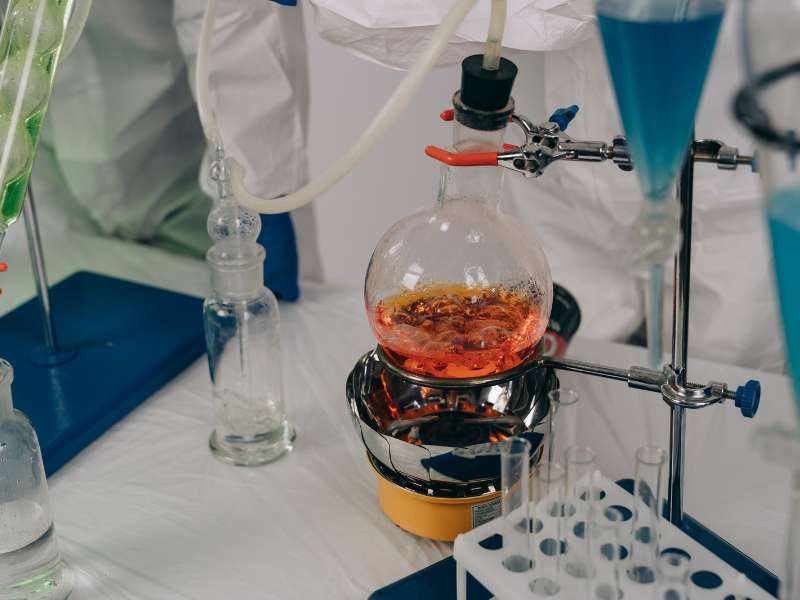
Anticancer agents and intermediates are synthesized using precise chemical methods designed to yield molecules with therapeutic promise. Bromination techniques under regulated reaction conditions ensure high purity and yield in 5-Bromo-2-oxindole production. This chemical is the basis for creating effective anticancer compounds. The indole ring is esterified and amidated to boost activity and selectivity in targeting cancer cells in 5-Methoxyindole-2-carboxylic acid derivatives.
Alkylation processes are needed to introduce functional groups needed for pharmacological activity in 2-Methyl-7-azaindole, a precursor for anticancer medicines. Researchers use these intermediates with advanced synthetic routes like cross-coupling reactions to make more complicated compounds. This meticulous approach guarantees that anticancer intermediates meet strict therapeutic requirements.
Intermediates in Anticancer Drug Development
Intermediates like 5-Fluoropyridinyl-3-boronicacidpinacolate (Cas No. 719268-92-5) are necessary building blocks for anticancer medication development. Advanced molecular frameworks are needed for specific medicinal effects, and these substances enable their synthesis. For instance, 5-Fluoropyridinyl-3-boronicacidpinacolate helps create boron-containing compounds with excellent cancer cell affinity. Intermediates between early-stage research and clinical applications guarantee reliable and efficient production of complicated anticancer agents.
Additionally, Biphenyl-3-boronic acid and 4-Methoxycarbonyl-2-nitrophenylboronic acid help produce extremely selective cancer medicines. Biphenyl-3-boronic acid stabilizes molecular designs. Together, these intermediates simplify drug discovery.
Anticancer Drug and Intermediate Production Challenges
Producing anticancer agents and intermediates at scale is difficult, especially for consistency and efficiency. To achieve purity and structural integrity. These processes are complex and variable. Advanced intermediates require specialized equipment and technical skills.
Anticancer agents are produced with quality assurance and regulatory compliance in mind. Every batch must fulfill strict safety and efficacy standards. Small changes in reagents, ambient conditions, or techniques can drastically impact results. Long regulatory approval processes also impede production. These criteria show the delicate balance needed to scale up production without compromising quality or therapeutic efficacy of these critical molecules.
Preclinical and Clinical Efficacy Testing
Preclinical trials test anticancer agents and intermediates like 4-Cyano-7-azaindole (Cas No. 344327-11-3). These trials evaluate a compound’s cytotoxicity against multiple cancer cell lines in vitro to determine tumor growth inhibition. Following this, animal models are used to study pharmacokinetics, safety, and therapeutic potential. 4-Cyano-7-azaindole selectively inhibits cancer cell multiplication.
Despite these advances, efficacy testing often presents substantial hurdles. Preclinical successes may fail because to inadequate absorption or unforeseen toxicity in humans. Clinical outcome evaluation is also complicated by patient response variability. Iterative optimization of chemical compounds and trial methodologies ensures that only the most effective treatments reach regulatory approval.
Rieable Partner: Arborpharmchem
Arborpharmchem leads the development of anticancer agents and intermediates. We produce key intermediates like 5-Fluoropyridinyl-3-boronicacidpinacolate and Biphenyl-3-boronic acid with a strong medicinal chemistry background. These chemicals form the basis for molecularly targeted cancer treatments. Arborpharmchem meets global cancer innovation requirements.


